
The Unified Voice
of Energy Storage



Energy Storage Europe welcomes the European Commission’s focus on cybersecurity in the energy sector
In 2025, Europe surpassed 100 GW of installed storage capacity for the first time, and by Q2 2026 storage overtook nuclear as a source of installed power capacity. With electrochemical storage forecast to grow by a further 153 GW by 2030, energy storage is becoming a core pillar of Europe’s future electricity system.
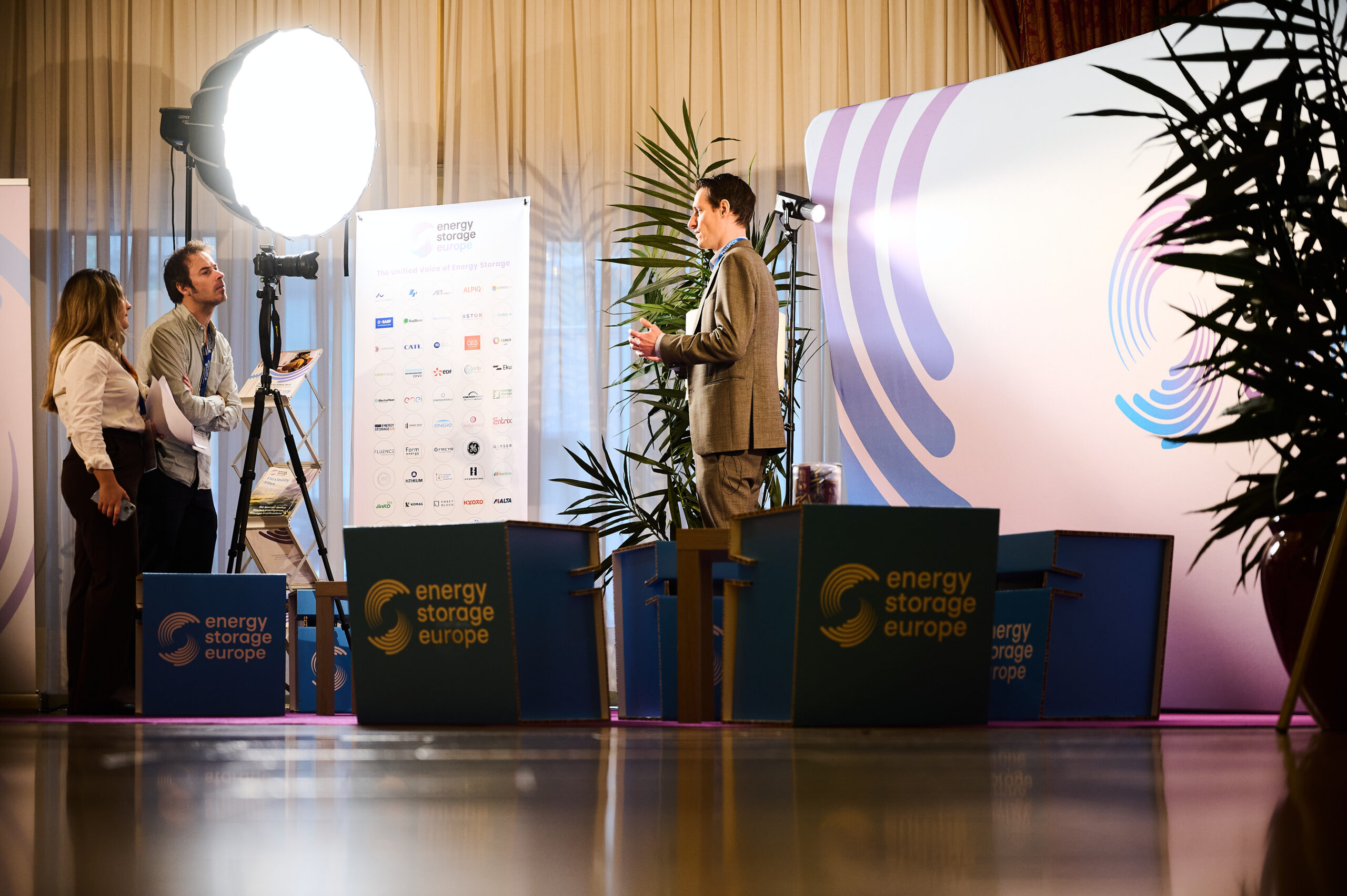
Energy Storage Europe engages with leading stakeholders across the energy sector to explore the ideas driving Europe’s energy transition.

This position paper assesses the system value of long-duration energy storage, identifies barriers to deployment, and proposes recommendations to better align European energy, industrial, and financing frameworks with the long-term flexibility needs of a fully decarbonised power system.

Energy Storage Europe is actively shaping the legal and R&D funding framework for energy storage at EU level. Members gain direct influence in the European decision-making process.

Members benefit from Energy Storage Europe expertise and technical know-how, and they can participate in EU-funded research projects.
The Energy Storage Europe Association is currently involved in many EU-funded projects.
Energy Storage Europe gathers knowledge, information and data about future market developments that can help the energy storage stakeholders to adapt to the changing business environment.

Featuring in Energy Storage Europe publications and events, such as the Energy Storage Europe Conference, gives you visibility and the opportunity to strengthen your network among storage experts.
H2IF’s new article explores this challenge, drawing on the project’s work to connect EU-funded energy-storage and hydrogen innovations with deployment opportunities, including the Innovation Fund.

Energy Storage Europe welcomes the proposed revision of the Network Code for generators and the explicit integration of storage, including grid-forming capabilities. Further clarity is needed on requirements for bidirectional storage and the treatment of existing projects.
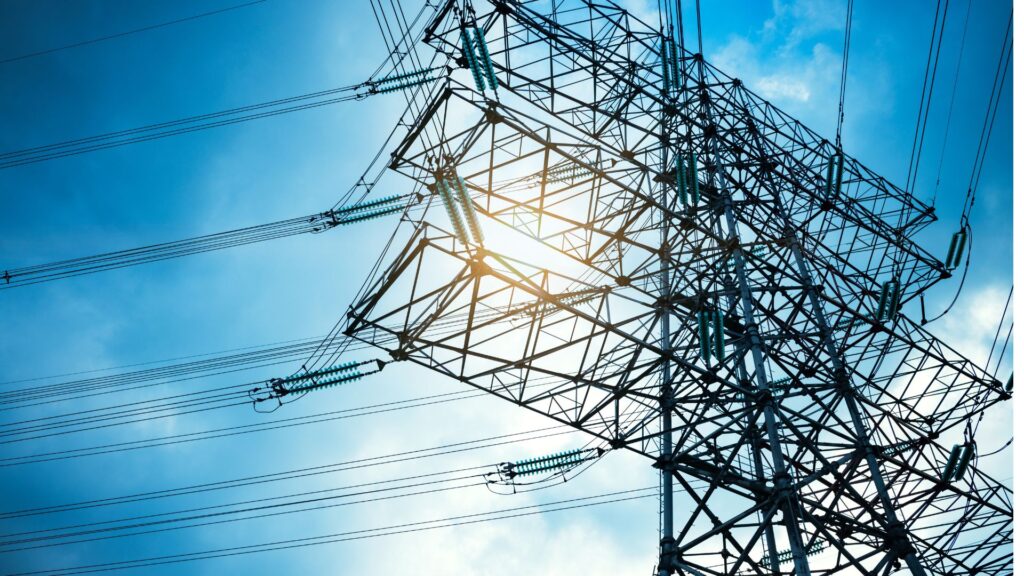
Energy Storage Europe welcomes stronger recognition of storage in network tariffs and calls on the European Parliament and Council to close the remaining gaps by adopting clear EU rules against double taxation.
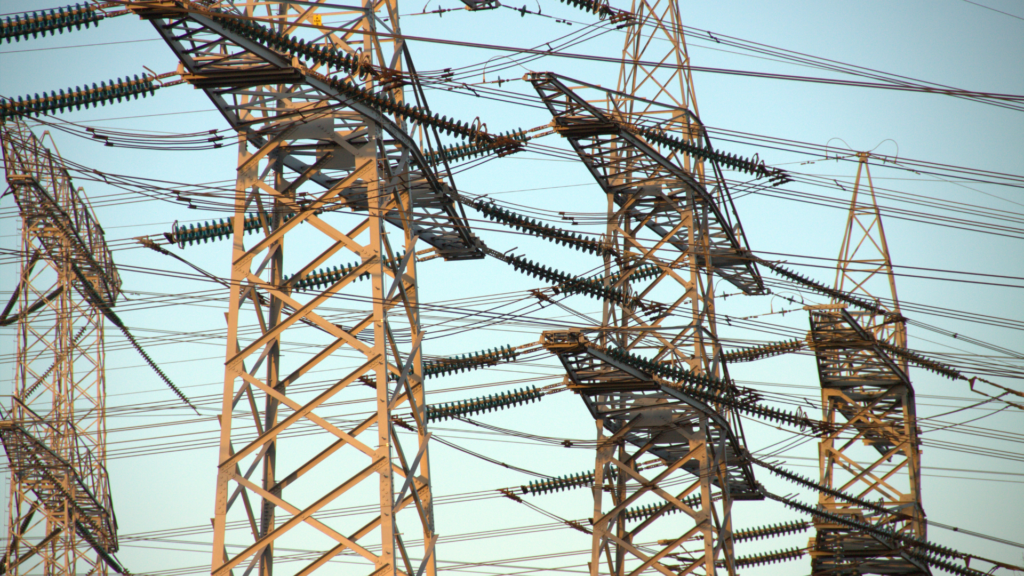
Energy Storage Europe (ESE) welcomes the European Commission's Electrification Action Plan as a major route towards a more competitive, resilient and affordable European economy. By setting a long-term direction for electrification and recognising the central role of flexibility, the Plan sends an important signal to investors, industry and energy consumers alike.

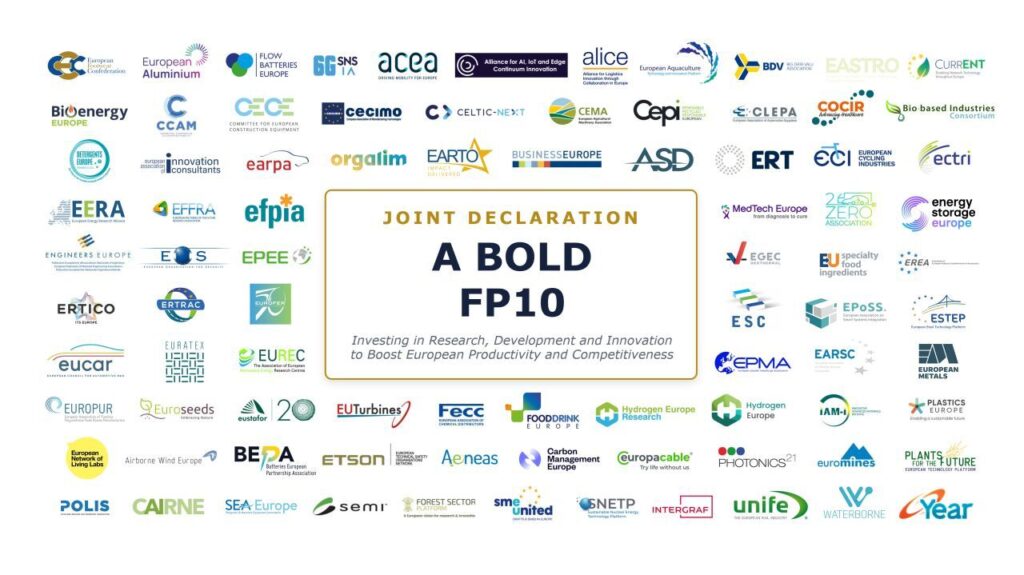
86 European associations have issued a joint declaration calling on EU Institutions to significantly increase funding for FP10, the EU's next Framework Programme for Research and Innovation, as part of the 2028–2034 EU budget.
EU signed the Tripartite Agreement on Energy Storage—the most comprehensive political recognition of energy storage at EU level to date. At Energy Storage Europe, we look forward to working with the European Commission, Member States and industry partners to turn today's political signal into implementation.

































































Energy Storage Europe welcomes the European Commission's growing focus on cybersecurity in the energy sector and supports the direction of travel across the Cyber Resilience Act (CRA), the Network Code on Cybersecurity, and the proposed Cybersecurity Act (CSA) 2.0. Yet raises concerns that require targeted corrections to ensure these frameworks deliver on their security objectives without inadvertently slowing battery storage deployment.

Energy Storage Europe replies to the European Commission’s public consultation on the Methodology for the Calculation of the recycled content of industrial and EV batteries. Under the Batteries Regulation, several categories of batteries, including industrial batteries, will have to contain a certain percentage of recycled metals to be allowed to be placed on the EU market.
Energy Storage Europe welcomes the proposed revision of the Network Code for generators and the explicit integration of storage, including grid-forming capabilities. Further clarity is needed on requirements for bidirectional storage and the treatment of existing projects.